Italian architect Renzo Piano is one of the most famous architects in the world, having won numerous prestigious awards, including the Pritzker Architecture Prize in 1998. He is renowned for his innovative designs that combine advanced technology, sustainability, and humanitarian sensitivity toward spaces.
Philosophy and Architectural Style
- Architecture as a Collective Craft Process: He founded the “Renzo Piano Building Workshop” (RPBW), which operates as an open workshop where architects, engineers, and craftsmen collaborate closely.
- Sustainability and Contextual Awareness: Piano places great importance on the environment and the relationship between the building and its surroundings.
- Focus on Light and Material: He is characterized by his precise handling of natural light and his use of materials in a way that highlights their aesthetics.
- Focus on Humans and Public Space: He frequently designs his buildings around plazas or public spaces that encourage gathering and social interaction.
Immortal Masterpieces
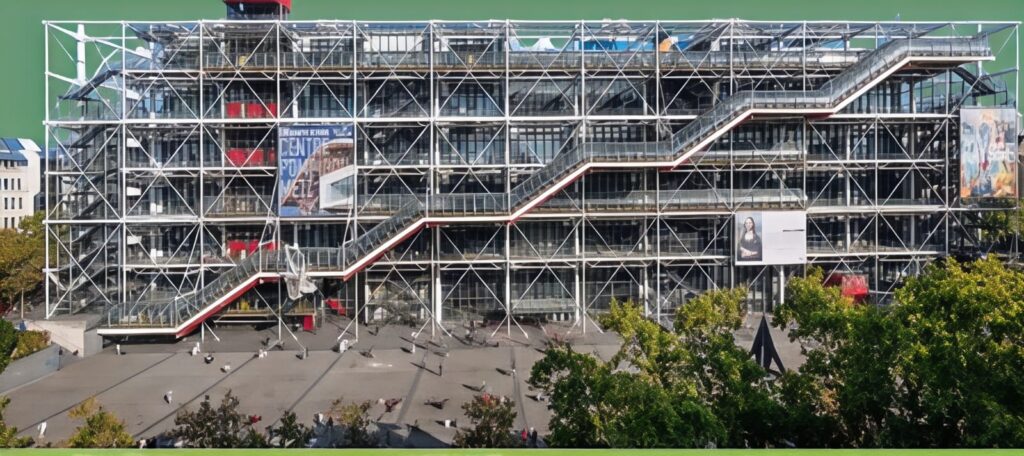
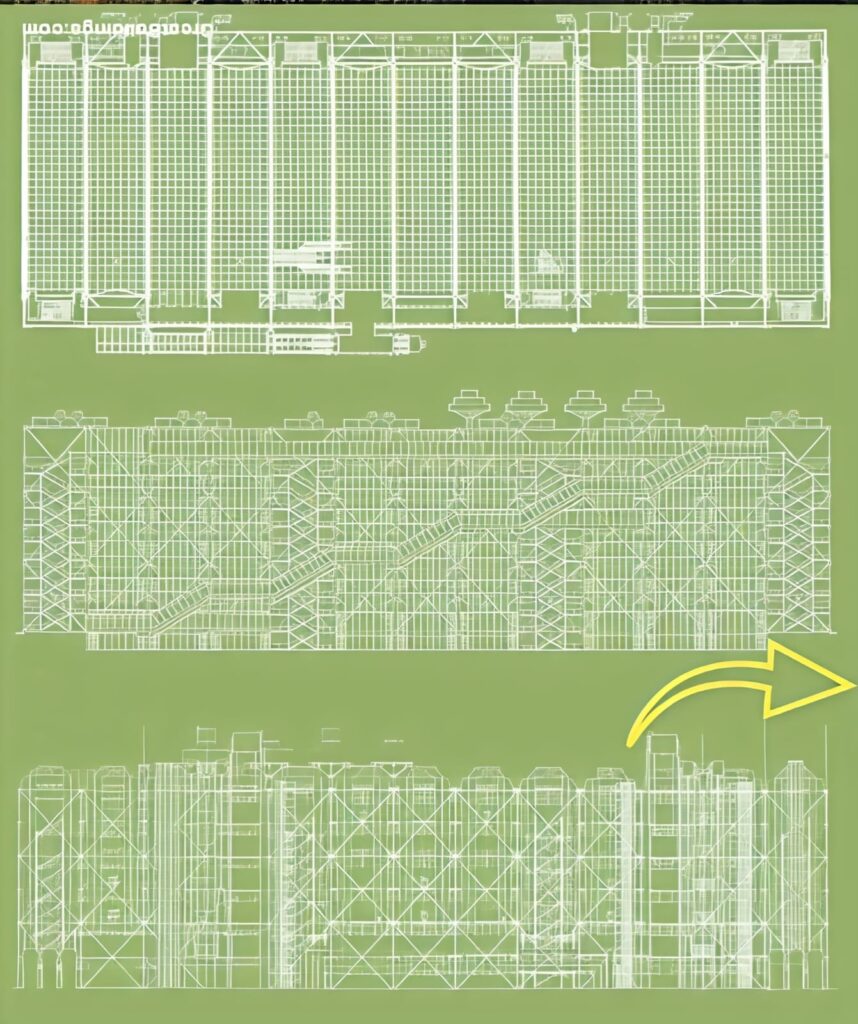
1. Centre Georges Pompidou (Paris)
The Centre Georges Pompidou in Paris is a unique architectural and cultural masterpiece, designed by both Renzo Piano and Richard Rogers. What most distinguishes the center is its “inside-out” design, where all pipes and structural systems appear on the facade in distinctive colors reflecting their functions: blue for ventilation, yellow for electricity, green for water, and red for elevators and stairs. The center was designed in the “High-Tech” architecture style.
2. Kansai International Airport (Japan)
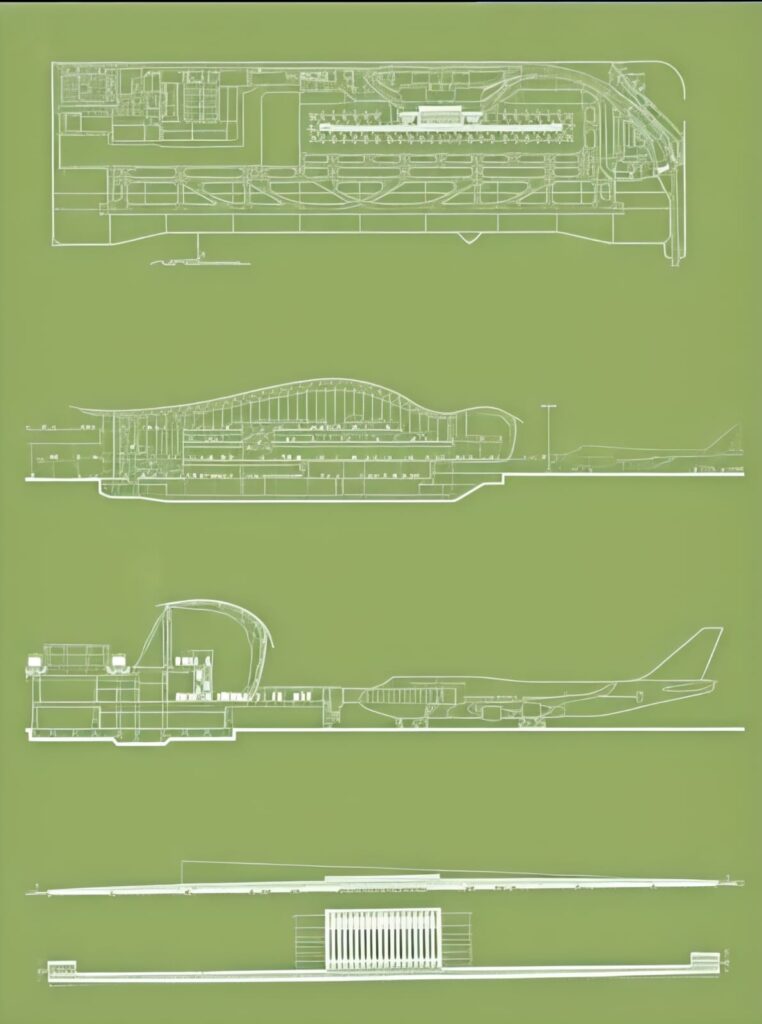
Kansai International Airport in Japan features a unique architectural and engineering design, built on an artificial island in Osaka Bay and designed by the famous Italian architect Renzo Piano. The airport is a massive engineering achievement that faced major challenges such as the risk of earthquakes and typhoons. Resembling a glider from above, the main building represents the fuselage of the plane while the wings extend to boarding gates.

3. The Shard (London)
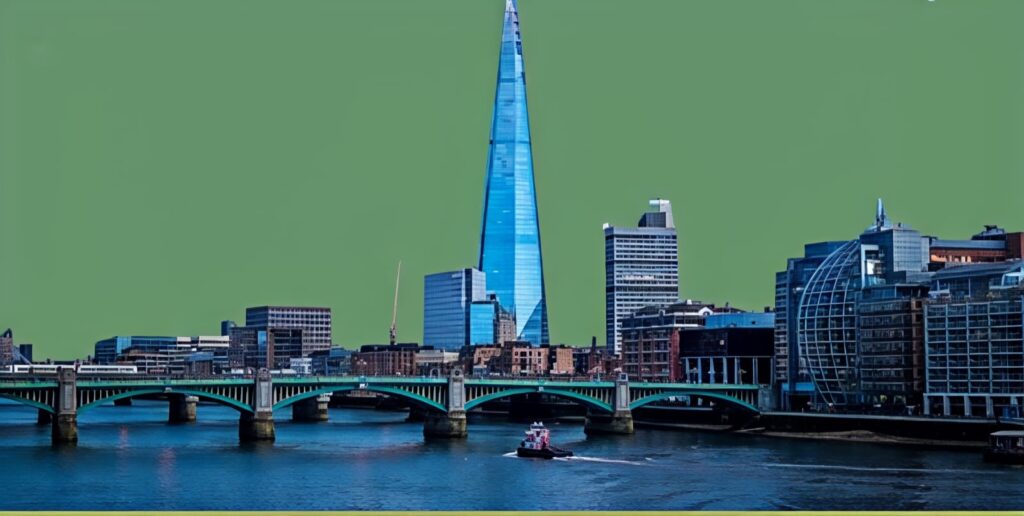
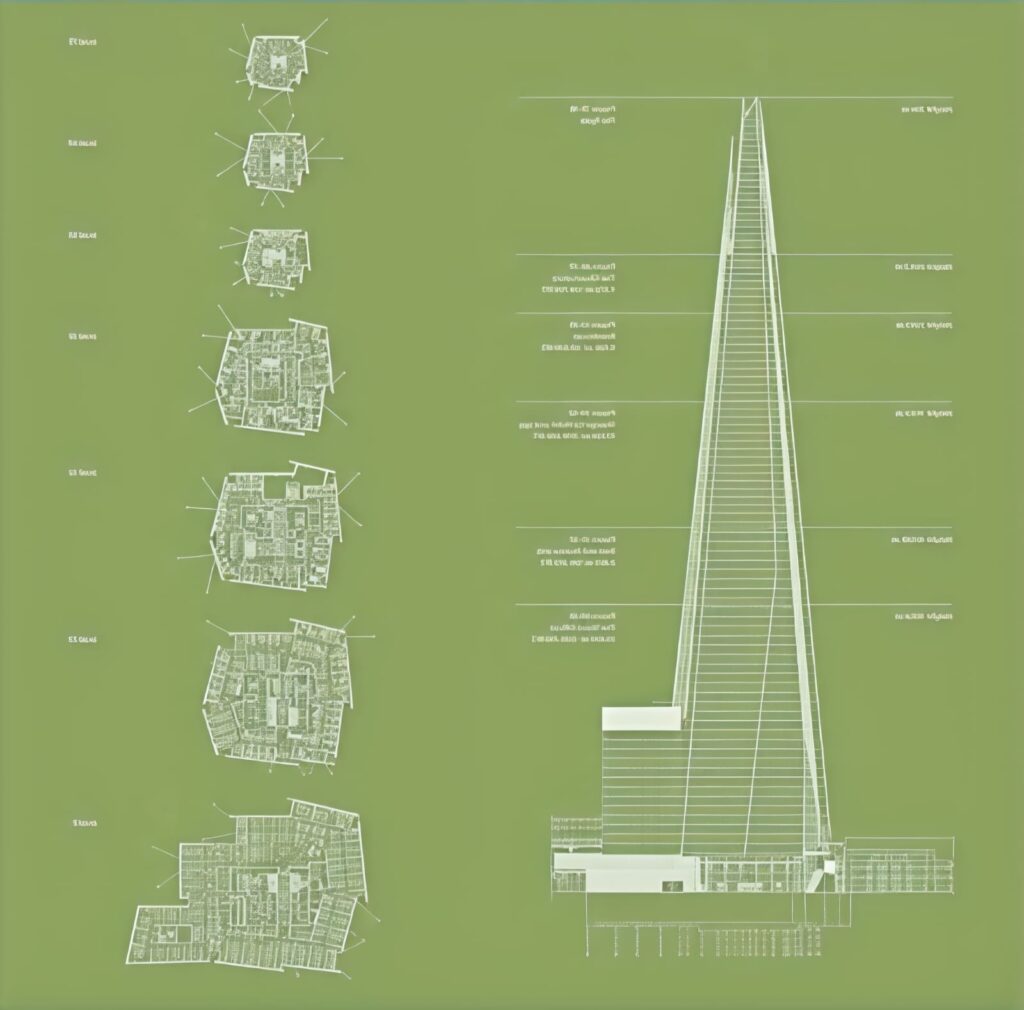
Architect Renzo Piano drew design inspiration from the sailboat sails that historically filled the River Thames, and from the idea of a “shard of glass” (which is the literal meaning of the name “Shard”). The idea was not to build a traditional tower, but to create a building that appears to point toward the sky, interacting with light and clouds in a dramatic way. The tower consists of 8 triangular glass prisms that interlock without meeting at a single peak, creating a dynamic and interesting shape from all angles.
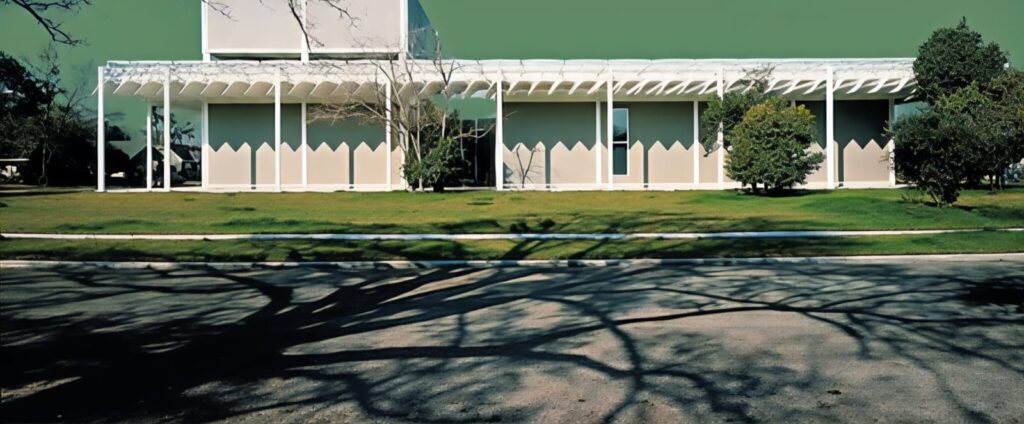
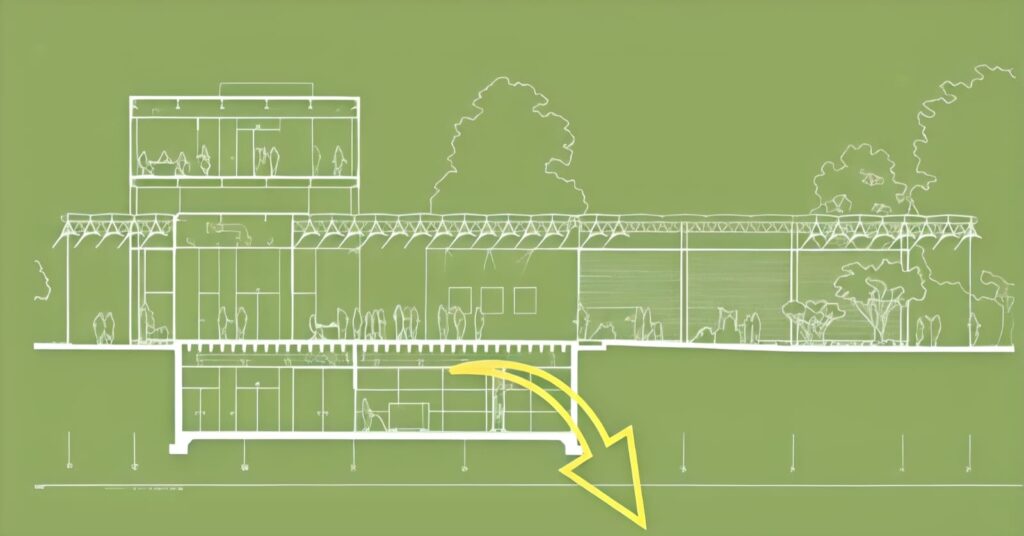
4. The Menil Collection (Texas, USA)
When Renzo Piano was commissioned to design the museum, the founders’ desire—John and Dominique de Menil—was to create a “house for art” rather than a fortress or an isolated monument. Piano’s design came as a direct response to this desire, centered around the visitor’s experience and the art itself. “The Leaf Roof” is the most prominent element in the museum, consisting of hundreds of lightweight reinforced concrete leaves shaped like tree leaves, designed to capture ideal northern light and filter it, giving a sense of a glowing sky-covered hall.